How Cup Shape Affects Taste

Finnegan Flynn
| 10-04-2026
 · Lifestyle Team
Pour the same coffee into a wide, shallow mug and a tall, narrow one.
Sip from each. If you pay close enough attention, you will notice something odd — they do not taste identical.
The temperature feels different on your tongue, the aroma hits differently, and something about the overall experience shifts in a way that is difficult to name but impossible to ignore. You did not change the coffee. You changed the container. And that, it turns out, changes everything.
The relationship between cup shape and sensory experience is not marketing fiction. It is grounded in the physics of airflow, the biology of smell, and the mechanics of how liquid contacts the mouth. Understanding it does not require a laboratory — just a closer look at what is already sitting on your shelf.
How Aroma Reaches You Before the First Sip
Somewhere between 70 and 80 percent of what humans perceive as taste is actually smell. Before liquid ever touches your tongue, volatile aromatic compounds rising from the surface of your drink are already shaping what your brain prepares to experience. Cup shape determines how concentrated or dispersed those compounds become as they travel upward.
A narrow-mouthed cup — the kind with a tapered rim that draws inward — creates a funnel effect. Aromatic compounds released from the liquid's surface are channeled upward in a concentrated column, directing them more directly toward the nose as you bring the cup to your lips. The result is an intensified aromatic experience that makes the drink seem richer and more complex before you have tasted a single drop.
A wide-rimmed cup does the opposite. The larger surface area allows aromatic compounds to disperse more freely into the surrounding air rather than being directed toward your nose. The aroma is present but more diffuse — which can make the same drink seem lighter, simpler, or less intense depending on what is being served.
How the Rim Shape Directs Liquid to Your Tongue
The shape of a cup's rim determines where liquid first lands in the mouth, and different areas of the tongue respond differently to the primary taste qualities — sweetness, acidity, bitterness, and saltiness.
A cup with a flared rim — one that curves outward at the top — directs liquid toward the tip and sides of the tongue first. These areas are more sensitive to sweetness and acidity, which means a flared rim tends to emphasize brightness and fruity notes in whatever is being consumed.
A cup with a straight or inward-tapering rim delivers liquid more centrally, toward the middle and back of the tongue. This pathway emphasizes body and bitterness, which is why narrow-mouthed cups tend to make drinks feel fuller and more robust on the palate.
1. Outward-flaring rim — liquid lands at the tip of the tongue, emphasizing sweetness and brightness.
2. Straight rim — liquid distributes evenly, producing a balanced sensory experience.
3. Inward-tapering rim — liquid reaches the center and back of the tongue, emphasizing body and depth.
How Cup Depth Affects Temperature Perception
A taller, narrower cup retains heat more efficiently than a wide, shallow one. The reduced surface area exposed to open air slows the rate at which heat escapes, which means the drink stays warmer for longer. This matters because temperature directly affects how aromatic compounds are released — warmer liquids produce more volatile aromas, which intensifies the sensory experience.
A shallow, wide cup loses heat quickly. For hot drinks, this accelerates cooling, which can flatten the aroma and reduce perceived intensity within minutes of pouring. For cold drinks, the same principle applies in reverse — a wider cup allows a cold beverage to warm more quickly, shortening the window in which it tastes its best.
The practical implication is simple. If you want to extend the peak sensory experience of a hot drink, a narrower, taller vessel works in your favor. If you want a drink to cool quickly for immediate consumption, a wide shallow cup does that job efficiently.
Bowl Size and the Experience of Volume
A larger bowl creates the perception of a more generous, relaxed drinking experience — even when the actual volume of liquid is identical. This is partly psychological and partly physical. A wider bowl allows you to angle the cup more steeply without liquid reaching the rim, which changes the angle at which aroma is directed toward the nose and alters how the drink feels to hold and consume.
Smaller, more compact cups concentrate the experience. The drink feels more deliberate, more focused — appropriate for something meant to be savored in small quantities rather than consumed casually over a long period.
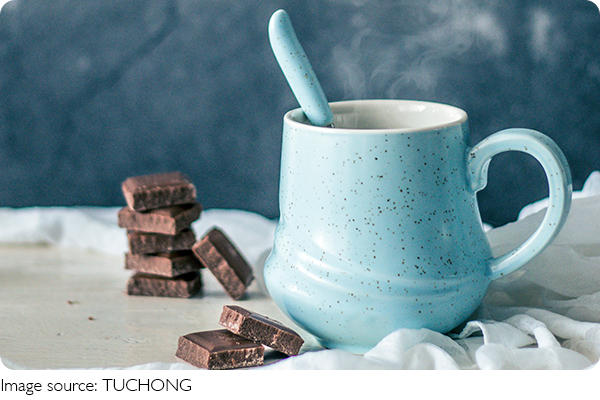
Most people choose cups based on aesthetics — a color they like, a shape that feels comfortable in the hand, a size that matches their morning routine. That is a perfectly reasonable way to choose. But knowing that the cup is also quietly shaping what the drink tastes like adds a different kind of appreciation to the ritual. Next time a coffee tastes flat or a tea seems sharper than expected, it might be worth looking at what it is sitting in before assuming the drink itself is the variable that changed.