Snowman Tips

Arvind Singh
| 25-04-2026
 ·
· Fresh snow under your boots, cold air biting gently, and a blank white yard waiting to be shaped—building a snowman looks simple, but the difference between a collapsing pile and a perfect figure comes down to technique.
A few small adjustments can turn an ordinary snow day into something far more satisfying.
Choosing the Right Snow
Not all snow is suitable for building. The texture determines whether your snowman will hold or fall apart. Ideally, you want snow that is slightly wet and sticky, often found after a light snowfall or when temperatures are just around freezing.
Good snow should:
• Clump easily when pressed
• Hold shape without crumbling
• Feel slightly dense, not powdery
If the snow is too dry, the structure will not stay intact. If it is too wet, it may collapse under its own weight.
Building the Base Properly
The base is the foundation of the entire structure. A weak base leads to instability, no matter how carefully the upper parts are built.
1. Start with a compact snowball
Roll snow tightly to form a dense core.
2. Increase size gradually
Push the snowball along the ground so it gathers layers evenly.
3. Flatten the base slightly
This improves stability and prevents rolling.
4. Test balance before stacking
Ensure the base can support additional weight.
A strong base makes the rest of the process much easier.
Perfecting the Middle and Top Sections
Once the base is ready, the middle and top sections determine the overall shape and personality of the snowman.
The middle section should be slightly smaller than the base to maintain balance. The head should be the smallest and most carefully shaped part.
Key points:
• Compress each layer firmly before stacking
• Smooth uneven surfaces with gloved hands
• Align each section carefully to avoid leaning
Proper alignment prevents the structure from tipping over later.
Strengthening the Structure
Even well-built snowmen can weaken over time as temperatures change. Reinforcement helps maintain shape and durability.
1. Pack snow into gaps
Fill spaces between layers to improve stability.
2. Smooth outer surfaces
This reduces weak points that may break easily.
3. Add internal support
Insert sticks or branches subtly inside larger sections if needed.
4. Re-press joints
Lightly press where layers meet to improve bonding.
These small adjustments make a big difference in overall strength.
Creative Details That Bring It to Life
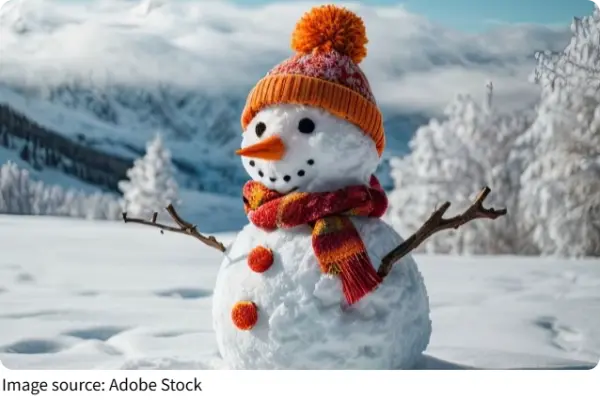
Once the structure is stable, adding personality is the most enjoyable part. Simple natural materials work best and blend well with the snowy texture.
Common additions include:
• Pebbles for eyes and buttons
• Carrot or similar object for the nose
• Twigs for arms
• Scarves or fabric for decoration
Placement matters—small adjustments in spacing can completely change expression and character.
Working with Temperature Changes
Snow conditions can change quickly depending on temperature. A snowman built in the morning may behave differently by afternoon.
Tips to manage changes:
• Build during stable cold periods
• Avoid direct sunlight exposure if possible
• Reinforce weakened areas if melting begins
• Avoid overhandling softening snow
Understanding these shifts helps preserve the structure longer.
Common Mistakes to Avoid
Simple errors can make snowman building more difficult than it needs to be.
1. Using dry, loose snow
This prevents proper bonding between layers.
2. Skipping compression
Loose stacking leads to collapse.
3. Ignoring balance
Uneven weight distribution causes tilting.
4. Overdecorating early
Adding heavy items too soon can destabilize the structure.
Final Touches for Stability
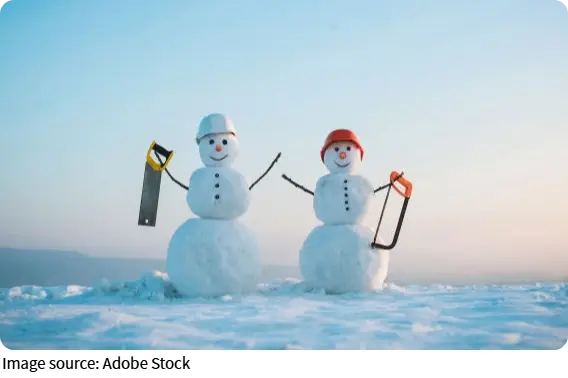
Before finishing, step back and check the overall shape. Small corrections at this stage are easier than fixing collapse later.
Adjust:
• Head alignment
• Arm balance
• Surface smoothness
Even minor refinements improve both appearance and durability.
Building a snowman is less about speed and more about patience and structure. With the right snow, careful layering, and a bit of creativity, a simple pile of snow becomes a balanced figure that stands proudly in the cold.