Alpine Ski Control

James Carter
| 11-06-2026
 · Sport Team
When we step into the world of Alpine skiing, we enter a dynamic snow environment filled with movement, balance, and quick decision-making. This sport takes place on mountain slopes where conditions can change from gentle slides to steeper and faster sections within moments.
Alpine skiing is not only about going downhill quickly. It is about learning how we control direction, adjust speed, and stay balanced while the ground beneath us constantly shifts. With the right approach, we can turn every run into a smooth and enjoyable experience.
Getting Comfortable with Equipment
Before we move on snow, we need to understand our equipment. Properly fitted gear helps us feel stable and confident from the beginning. A well-adjusted helmet supports protection, while clear eyewear improves visibility when light reflects off snow.
Our skis, boots, and connection systems must match our body size and experience level. When boots fit securely, we can transfer movement more efficiently from our legs to the skis. This connection is important because it directly affects how well we control direction and balance.
Taking a few minutes to check everything before starting can make a big difference in comfort and performance.
Basic Body Position and Balance
In Alpine skiing, body position is one of the most important foundations. We keep our knees slightly bent and our upper body leaning forward in a relaxed way. This helps us absorb changes in terrain and maintain steady motion.
Balance is not static. It changes with every turn and slope angle. We learn to shift weight smoothly from one ski to the other, guiding direction without sudden movement. When we stay relaxed, our reactions become faster and more natural.
A stable posture helps us stay in control even when speed increases or the slope becomes uneven.
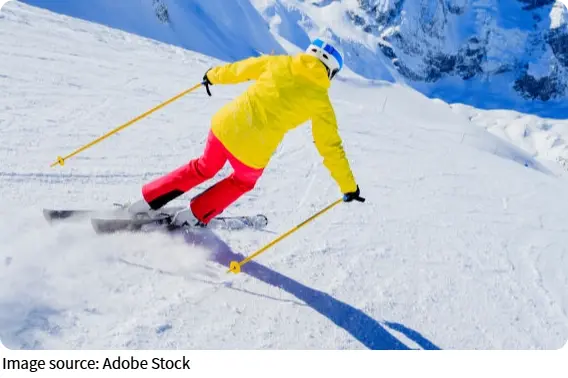
Turning Techniques for Better Control
Turning is a key skill in Alpine skiing. Instead of forcing movement, we guide our skis by shifting body weight and adjusting edge pressure. This allows us to move in curved paths rather than straight lines.
In wider turns, we focus on smooth transitions and steady rhythm. In tighter turns, we adjust more quickly while still keeping balance. The goal is not only to change direction, but to maintain flow throughout the movement.
When we practice regularly, turning becomes more automatic, and we can focus more on the environment around us.
Managing Speed with Confidence
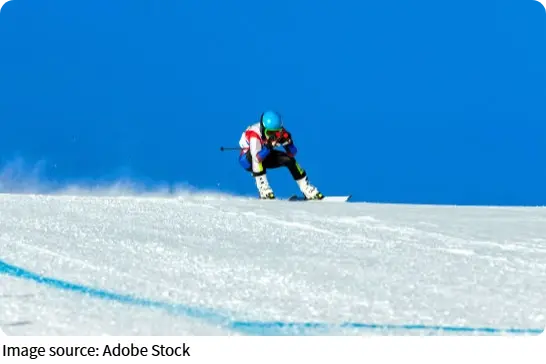
Speed is part of what makes Alpine skiing exciting, but control always comes first. We learn to adjust speed based on slope steepness and surface conditions. On open sections, we may allow more natural flow, while on steeper parts, we focus more on control and direction changes.
Instead of reacting suddenly, we aim to anticipate the path ahead. Looking forward helps us prepare for turns early, which leads to smoother movement and better stability.
When we feel in control of speed, skiing becomes more enjoyable and less stressful.
Reading Snow and Weather Conditions
Snow conditions can vary throughout the day. Sometimes the surface is soft and smooth, while other times it may feel firmer or slightly uneven. We learn to observe these changes and adjust our movement style accordingly.
Light conditions also affect visibility. When brightness changes, we rely more on rhythm and memory of the slope layout. Staying aware of surroundings helps us maintain direction and avoid hesitation.
Adaptability is an important part of developing skill in this sport.
Building Skill Through Practice
Improvement in Alpine skiing comes from consistent practice. We start with simple movements, focusing on balance and basic turns. As we gain confidence, we gradually move to more challenging slopes and faster sections.
Each practice session helps us build muscle memory. Over time, our movements become more natural, and we spend less time thinking about each step.
Learning with patience allows us to enjoy progress without pressure. Every small improvement adds up to stronger overall performance.
Final Thoughts for Our Snow Journey
Lykkers, Alpine skiing is more than just a winter activity. It is a combination of balance, awareness, and smooth coordination. When we understand our equipment, improve our body control, and stay aware of changing conditions, we create a more enjoyable experience on every slope.
The real reward comes from steady progress and the feeling of moving in harmony with the mountain environment. Each run gives us a chance to learn something new about balance and control.
So next time we step onto the snow, what skill would we like to focus on improving first?
How do I control my turns when skiing? | Common Beginner Mistakes and how to fix them.
Video by SkiCoachingOnline